This post was guest written by Carrie Wiley, Children’s Minister at Mars Hill Church, Mobile, AL.
I love Kids Church. I love creating spaces designed specifically for kids. Spaces where they can move, ask questions, laugh loudly, worship freely, and learn about Jesus in ways that make sense for their stage of development. I’ve spent most of my ministry life thinking about how to make those spaces better.
But somewhere along the way, I started asking another question: “Do the kids in our ministry know they belong to the rest of the church, too?“
Think about the typical Sunday morning experience for a child. They arrive at their own check-in area, go to their own classroom, worship with other kids, and hear a lesson created just for them. Those are really good things. But consequently, a child can spend years connected to Kids Church while having very little experience with the larger church body.
We aren’t simply discipling kids to thrive in children’s ministry. We are helping them learn what it means to belong to the Church. As ministry leaders and kids pastors, we get the privilege of creating meaningful multi-generational worship moments for the kids and families that we serve.
Now, this doesn’t mean eliminating age-specific ministry or putting every child in every worship service. Instead, we can ask: “How can we intentionally create moments where kids worship, participate, and belong alongside the whole church?”
1. START WITH BELONGING, NOT BEHAVIOR
When we talk about bringing kids into a larger worship service, it’s easy to immediately think about behavior. Will they sit still? Will they be distracting? What if they get restless? Those are fair questions, but they shouldn’t be our first ones.
Before we think about how kids will behave in the room, we need to think about whether they know they belong in the room.
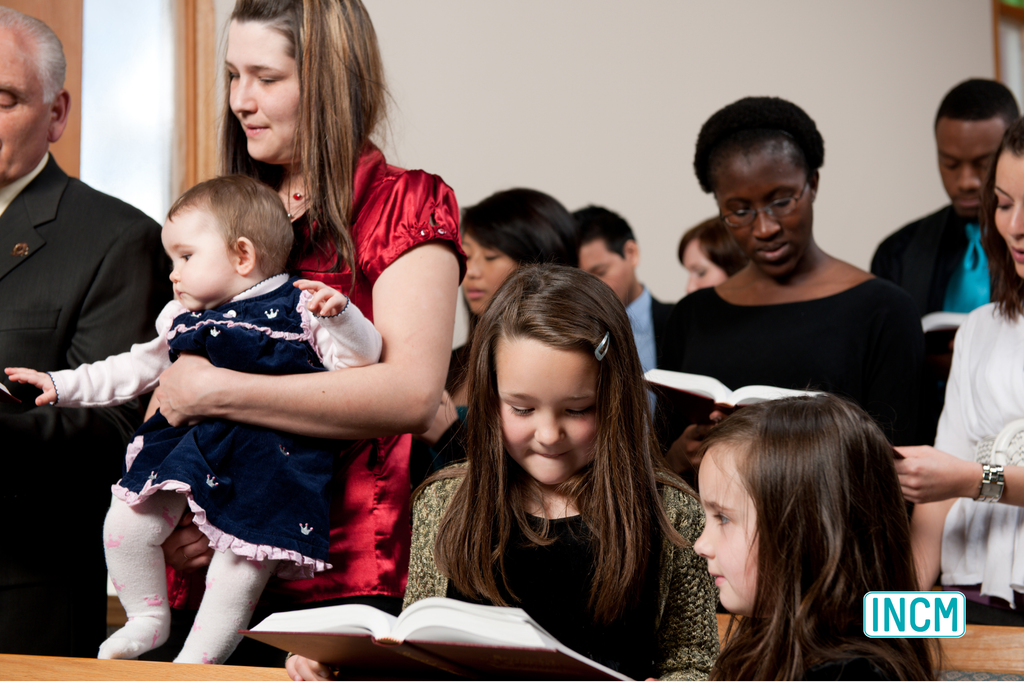
I remember one Sunday during family worship noticing a mom and daughter sitting side by side, whispering during the sermon. The mom was pointing to the kids bulletin, answering a question her daughter had asked. Then I looked at the people around them and realized: NO ONE was bothered. No one seemed distracted or annoyed. They were simply a mom and daughter, sitting together in worship and talking about what they were hearing.
I remember smiling and thinking, THIS IS IT. It’s happening! This little girl wasn’t just sitting through Big Church. She was participating in it, with her mom helping her understand along the way.
It’s worth asking: Where do the kids in our ministry get to experience being part of the whole church?
2. DON’T JUST INVITE KIDS IN. PREPARE THEM.
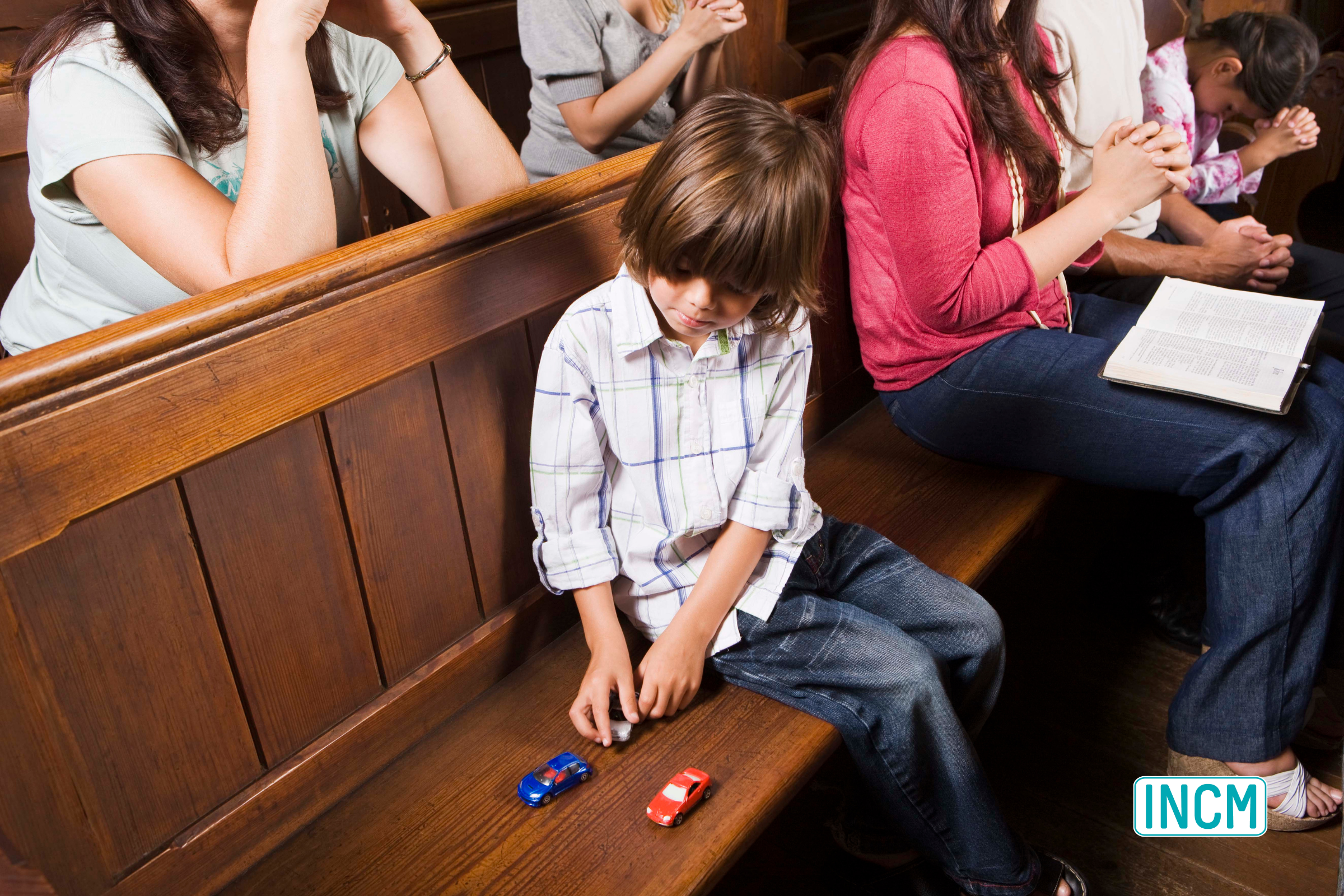
If we want kids to participate in worship with the larger church, we can’t just put them in the room and expect them to know what to do. The rhythms may be unfamiliar. They may not know why everyone is standing, what communion means, how to follow a sermon, or what they should be listening for.
Kids ministry leaders are already good at helping kids understand big ideas in age-appropriate ways. We can use those same skills to prepare them for worship with the whole church.
We need to prepare parents, too. If the only communication they receive is, “There’s no Kids Church this Sunday,” we probably haven’t set anyone up for success. Let families know what to expect and give parents ideas for helping their kids engage.
One thing I like to communicate before family worship is, “We don’t expect your kids to be anything other than kids.” Whether it’s in an email or a reminder that morning, I want parents to hear that clearly. Their kids aren’t just the future of the church; they are part of the church today.
It’s just as important to prepare the rest of the church. An announcement the week before can help, and during the service I remind everyone that we get to worship with all the ages and stages that make up our church family. The Lord delights in our kids, and we get to delight in them, too. Their wiggles, questions, voices, and enthusiasm aren’t interruptions. They are part of worshiping together.
3. DESIGN FOR KIDS AND ADULTS
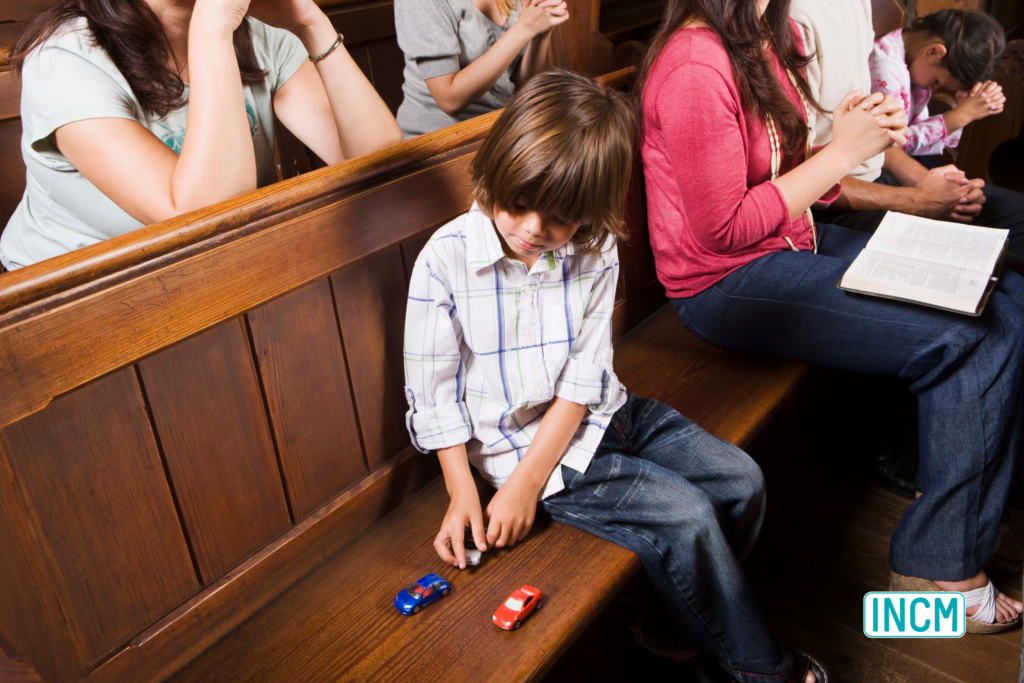
Including kids doesn’t mean turning Big Church into Kids Church for the day. It means thinking intentionally about how everyone in the room can participate.
Sometimes small adjustments make a big difference. Could a Scripture reading include a response everyone says together? Could kids participate in a prayer moment? Could something visual help them follow the sermon?
Kids worship bulletins and sensory supports can also help. A worship guide can encourage kids to listen for key words, draw something they hear, follow Scripture, or write down a question. The goal isn’t to keep them quiet. It’s to help them engage.
Our teaching team has also found that two shorter teaching times instead of one longer teaching time helps engage the whole room on Family Sundays.
Ask yourself: “Can we make this moment more accessible to a child without making it less meaningful for an adult?”
4. GIVE KIDS A ROLE, NOT JUST A SEAT
One of the best ways to show kids they are part of the church today is to give them meaningful opportunities to participate.
Kids can read Scripture, pray, greet, participate in a responsive reading, share a testimony, or serve alongside adults. Older kids and preteens may even be ready to help lead parts of the service.
The point isn’t to put kids on stage because it’s cute. It’s not a picture moment for grandparents to sit on the front row and take their picture. We are raising up real worshipers and so we should desire to give them real opportunities to use their gifts and contribute to the life of their church.
Participation doesn’t always happen from the stage. A child praying alongside an adult, serving with their family, or joining the congregation in a response can be just as meaningful. Church isn’t something they come to watch. It’s a body they are part of.
5. START WITH ONE MOMENT
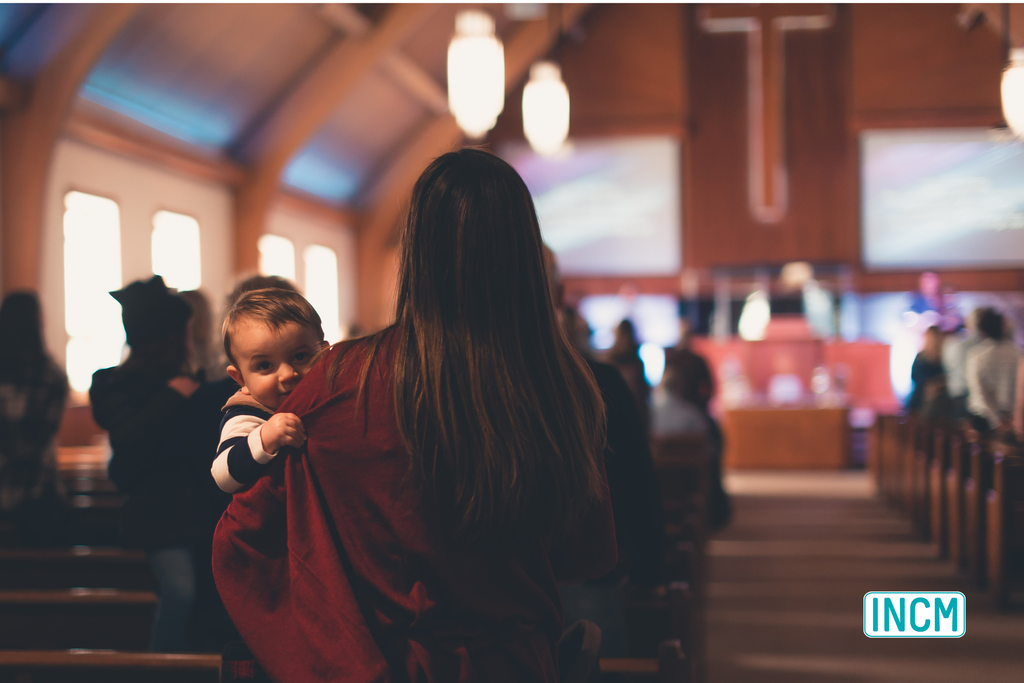
Creating multi-generational worship doesn’t require changing your entire ministry model. Look at your church calendar and find one place where worshiping together already makes sense. Maybe it’s a fifth Sunday, baptism service, holiday, worship night, or another church-wide gathering.
Choose one opportunity and ask:
- What do we want kids to experience?
- How can we prepare kids and parents?
- How can kids participate instead of observe?
- What could make engagement difficult and how can we help?
- How can we prepare the church to welcome kids?
You don’t have to get everything right the first time. Pay attention, listen to parents and kids, and adjust. Over time, these moments can become a normal part of how kids experience church instead of a special Sunday when Kids Church happened to be closed.
THEY’RE THE CHURCH RIGHT NOW
We say kids are the future of the church. But they’re also the church right now. Multi-generational moments help them see that the church is bigger than the ministry designed just for them.
You don’t have to change everything. Start with one moment, make room for kids to participate, and let them experience what it means to worship as part of their church family.
For more resources and support, go here!
Connect with INCM on social media: